Rust Plant Genetics Guide 2026: Genes & Cloning
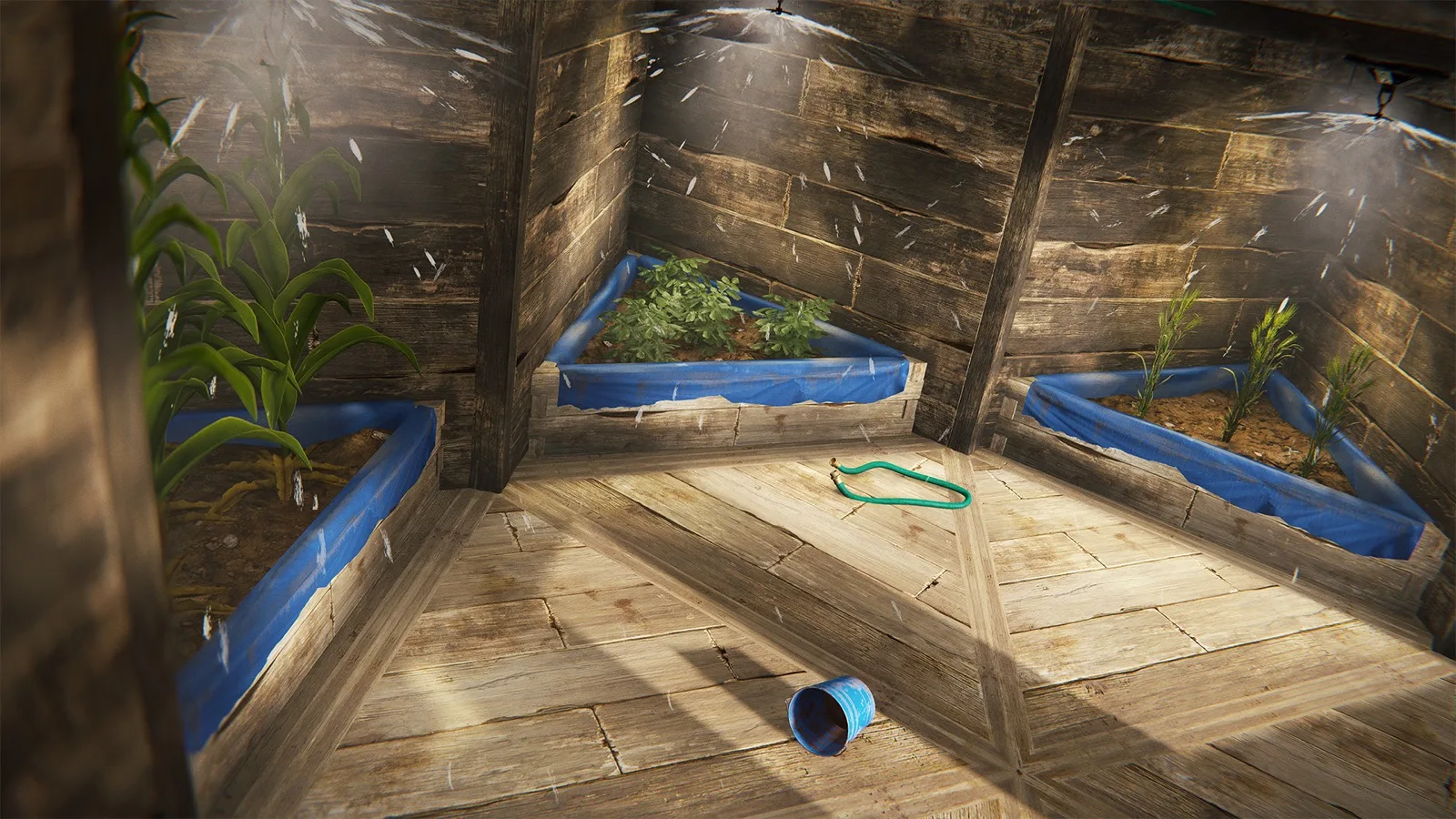
You're standing over a large planter, six berry plants in, squinting at a row of letters like WGXYHW and wondering why the clones you pulled from it grow slower than a decayed twig fence. Been there. Rust plant genetics looks like nonsense until it clicks, and then you never farm blind again. This guide is the version I wish someone had handed me the first wipe I tried to farm seriously.
The short answer: every plant carries six gene slots, some genes are good and some are dead weight, and your entire job is to breed a plant whose six slots are all the genes you want, then clone that plant forever. That's it. Everything below is the how.
What the six genes actually are
Open any seed or plant with a magnifying-style genetic reading (you get it from planting and inspecting) and you'll see six letters. Those are your six gene slots. Here's what each letter means:
- chevron_rightG — Growth speed. The plant matures faster. Good.
- chevron_rightY — Yield. More crops per harvest. Good.
- chevron_rightH — Hardiness. The plant resists dying to bad conditions and takes less damage from thirst or temperature swings. Good, situationally.
- chevron_rightW — Water. The plant needs more water. Bad. It does nothing for you except make the plant thirstier.
- chevron_rightX — Empty. Nothing. A wasted slot. Bad by omission.
So a genome reads like a six-character string: GGYYYY, WXYHWG, YYYYYY, whatever the roll gave you. The good letters are G, Y, and H. The garbage is W and X. Your first wild seeds will be a mess of all six, and that's normal.
Good genes, bad genes, and why W is the real enemy
People treat X as the villain because it's literally empty, but W is what quietly ruins farms. An X slot just isn't helping. A W slot actively raises the plant's water demand, and if you're not running sprinklers, a couple of W genes means the plant is thirsty constantly and you're either hand-watering like a maniac or watching it wilt.
H is the gene beginners undervalue and pros argue about. Hardiness keeps a plant alive through neglect: a temperature dip, a dry spell, a raid where you couldn't tend the base for a day. On a well-watered, well-lit indoor grow with sprinklers, H matters less because conditions never get bad. On a scrappy setup or an outdoor grow, H is what stops you losing the whole planter. I run some H early and drop it once my grow room is dialed.
Planters: large vs small
Two planters matter. The small planter fits one plant and is fine for a starter grow or a single clone you're babying. The large planter holds up to 9 plants, and it's the one that matters for genetics, because crossbreeding only happens when plants share a planter.
Run large planters. The nine-slot grid is not just more crops, it's the actual machine that breeds your genes (more on that below). I don't bother with small planters past the first day except as isolated clone pots when I want to lock genes without any crossbreeding interference.
Water and sprinklers: stop hand-watering
Most people water by hand way too long. It works, it's just a colossal time sink and it ties you to the base. Every plant has a water saturation level, and W genes make that drain faster. Hand-watering means running back and forth with a bucket or water jug while your plants slowly drink it down.
The upgrade is a sprinkler system: a water source (water barrel catching rain, or pump from a lake), pipes, and sprinklers positioned over the planters. Once it's running, saturation stays topped up on its own and W genes basically stop mattering because there's always more water than the plant can drink. Sprinklers need power, so if the wiring side is new to you, the electricity guide covers the pump-and-battery setup you'll want. Getting sprinklers online is the single biggest quality-of-life jump in farming, and it's where a lot of beginners give up right before the part that makes it easy.
Light, temperature, and the greenhouse
Plants grow faster with light and in the right temperature range. Outdoors in daytime you get sun for free, but nights and bad biomes hurt, which is why serious grows go indoor with ceiling lights for artificial sun. Light speeds growth the same way the G gene does, so a bright grow room makes even mediocre-G plants perform.
Temperature is the quieter factor. Plants want a comfortable range; too cold and growth stalls or the plant takes damage. Greenhouse glass helps hold heat and lets natural light through if you build near the surface, and it's a clean way to stabilize an outdoor-ish grow. Indoors, lights plus an enclosed room usually keeps temperature fine on their own. The combo you're aiming for: enclosed room, ceiling lights over every planter, sprinklers overhead, and you never think about conditions again.
How crossbreeding actually works
This is the part everyone gets wrong, so read it twice. When a plant grows in a large planter next to other plants, each of its six gene slots has a chance to inherit a gene from a neighbouring plant. The plant isn't locked to the genes it sprouted with; as it grows surrounded by neighbours, individual slots can flip to copies of what those neighbours carry.
That means the planter is a breeding grid. If you drop a mediocre plant in the middle of a large planter and pack the surrounding eight slots with plants carrying your target genes, the middle plant's slots keep getting chances to inherit those good genes each generation. Surround the plant you're improving with the genes you want, and every regrow nudges it closer to your target genome.
Practically, you plant seeds, let them grow, read the genomes, keep the best plants, and replant them clustered so their good genes bleed into each other. Repeat. Each generation the average genome in the planter creeps upward if you keep culling the W/X-heavy plants and keeping the G/Y/H ones.
Breeding toward a god clone
A "god clone" is a plant whose six slots are exactly the genome you want, ready to be cloned endlessly. Here's the loop I run:
- chevron_rightGather wild seeds and plant a full large planter. Hemp seeds are easy to mass-collect, so people practice genetics on hemp first.
- chevron_rightRead every genome once they mature. Rank them by good genes.
- chevron_rightCull hard. Rip out anything W- or X-heavy. Keep the plants with the most G, Y, and H.
- chevron_rightCluster the keepers in a large planter so their good genes crossbreed into each other's empty and W slots.
- chevron_rightRepeat for a few generations, each time keeping the best and surrounding the almost-there plant with your best neighbours to fill its remaining bad slots.
- chevron_rightWhen one plant hits your target genome, stop breeding it. That's your god clone.
The tedious truth is this takes several regrow cycles and a lot of reading letters. Running the numbers by hand is miserable, so use a genetics calculator to plug in your current genomes and see which plants to pair and how likely the next generation is to hit target. It turns "plant and pray" into an actual plan and saves you whole wipe-days.
Which genome should you actually breed?
Depends on the crop and what you're doing with it. Three common targets:
| Genome | What it does | Best for |
|---|---|---|
| GGYYYY | Balanced: fast growth + high yield | The all-rounder. My default for most crops. |
| YYYYYY | Max crops per harvest, slower | Crops where total output is everything and you're patient |
| GGGGGG | Fastest possible growth, normal yield | Rapid turnover, cloth/hemp cycling, quick resource loops |
My honest take: GGYYYY is the sweet spot for almost everything. Pure YYYYYY is overkill for hemp; you don't need max cloth badly enough to wait longer for each harvest, and the extra Y slots cost you the G speed that makes farming feel good. GGGGGG is fun for a fast cloth loop but you're leaving yield on the table. Breed GGYYYY, clone it, move on with your life. Save the exotic pure genomes for a crop you're obsessed with optimizing.
Cloning: preserve the genes forever
Here's why all that breeding pays off. Cloning copies a plant's exact genes. Take a cutting from your god clone and the new plant has the identical six-slot genome, no rolling, no chance of losing it. Once you've bred GGYYYY, you never have to breed it again. You clone the clone, plant the clones, harvest, take more cuttings, repeat until wipe.
To clone, you hit a growing plant with the right interaction and get a clone item you replant. Isolated in a small planter or clustered with other identical clones, they stay pure because there are no different genes nearby to crossbreed in. That last point trips people up: if you put your perfect clone in a planter next to junk plants, crossbreeding can flip its slots to the neighbours' worse genes. Keep clones with clones. The full step-by-step is in the cloning guide, including how to keep a "mother" plant alive as a genome backup.
The workflow that matters: breed once, clone forever. A single god clone becomes an entire base's worth of identical top-tier plants, and you never touch wild seeds again that wipe.
Best crops to farm
Hemp is the workhorse. It gives cloth, everyone needs cloth for sleeping bags, clothes, and other crafting, and hemp seeds are trivial to gather so it's the ideal crop to learn genetics on. Pure yield is overkill here; a fast GGYY-ish clone keeps cloth flowing.
Berries are your seed and food engine, and different colored berries feed into tea-making at the mixing table, which is genuinely strong for combat and gathering buffs. If you're into teas, berry genetics is worth the effort.
Pumpkins and corn are the food staples. High yield here means real food security for a group base, and they're forgiving to grow. Corn and pumpkin are what I plant when I want a group fed without thinking about it.
Mushrooms grow in low light, which makes them the odd one out. They're a solid food source for dark parts of the base where you don't want to run lights, and they don't fuss over sun the way other crops do.
If you're brand new to any of this and don't have a base secure enough to farm in, sort that first; the beginner's guide covers getting established before you sink time into a grow room a raider can just wander into.
The realistic payoff
Let's be honest about what genetics gets you. A god clone grow isn't going to double your loot or win you fights on its own. What it does is turn farming from a chore into a background system: sprinklers water, lights grow, clones stay pure, and every harvest you pull more cloth or food per plant, faster, without babysitting. Over a wipe that's a real edge, especially for a group that needs constant cloth and food.
The trap is over-optimizing. You do not need pure YYYYYY hemp. You need a decent GGYYYY clone, a sprinkler line, some ceiling lights, and the discipline to keep clones away from junk plants. Get that running in the first few days of a wipe and your base is fed and clothed while everyone else is still hand-watering a planter full of W genes wondering why it won't grow. Breed it once, clone it forever, and go do something more dangerous.
Frequently Asked Questions
What do the 6 genes in Rust mean?expand_more
Each plant has six gene slots holding letters: G (growth speed), Y (yield/crop amount), and H (hardiness) are the good ones, while W (higher water need) and X (empty/nothing) are dead weight. Your goal is to fill all six slots with good genes.
What's the best plant genome in Rust?expand_more
GGYYYY is the best all-rounder, balancing fast growth with high yield. YYYYYY maxes crop output but grows slower, and GGGGGG gives the fastest growth. For most crops, including hemp, GGYYYY is all you need.
How does crossbreeding work in Rust?expand_more
When a plant grows in a large planter, each of its six gene slots has a chance to inherit a gene from a neighbouring plant. Surround the plant you're improving with plants carrying your target genes and each generation moves it closer to that genome.
Does cloning keep the same genes?expand_more
Yes. Cloning copies a plant's exact six-gene genome with no rolling, so once you breed a good plant you clone it forever instead of re-rolling wild seeds. Keep clones away from lower-quality plants so crossbreeding doesn't corrupt them.
Do I need sprinklers to farm in Rust?expand_more
Not strictly, but they save huge amounts of time and make W (water) genes irrelevant since saturation stays topped up automatically. Hand-watering works early, but a sprinkler line powered through the electricity system is the biggest quality-of-life upgrade in farming.
What's the best crop to learn genetics on?expand_more
Hemp. The seeds are easy to gather in bulk, everyone needs the cloth it produces, and losing a few plants while you practice culling and crossbreeding costs you almost nothing.
How many plants fit in a large planter?expand_more
Up to 9. That nine-slot grid is also where crossbreeding happens, so large planters are what you use for breeding, while small single-plant planters are best for isolating pure clones.
More Guides
A hands-on Rust chicken guide: how to get your first egg from a wild chicken, the Chicken Coop, the four needs that keep hens alive, and the egg loop.
Cloning copies a plant's exact 6-gene genome with no rolling. How to clone, run a mother plant, keep clones pure, and when to clone vs re-breed.
50 Rust tips that hold up under pressure — spawn survival, scrap farming, base building, monument runs, PvP habits, and endgame raiding, with the tools to back each one up.