
Cloth
Harvested from hemp plants and cacti. Used for clothing, bandages, sleeping bags and explosives.
1 skins exist for it, topped by Cloth.
How to Get Cloth in Rust
Cloth has two real sources: skinning animals with a knife, and farming hemp plants. Early wipe it's almost always faster to skin whatever you're already killing for meat than to go looking for hemp specifically.
Skinning is the fast early source
Bears and Polar Bears give around 50 cloth per skin, Wolves around 35, Boar only about 10 — so if you're choosing what to hunt, bigger animals pay off a lot more per kill. A Skinning Knife or Butcher Knife speeds up the actual skinning animation over a rock or hatchet, which matters when you're clearing a pack of wolves.
Hemp is the reliable, repeatable source
Hemp plants respawn where you find them, so a base built near a hemp patch gives you a cloth source you don't have to hunt for every time. Planting your own hemp seeds in planters is slower to set up but removes the RNG of finding wild animals or plants entirely once it's running.
What it's actually for
Cloth goes into a huge spread of early recipes — bandages, most starter clothing, the sleeping bag, and it's a hidden ingredient in Low Grade Fuel. Thirty cloth for a sleeping bag alone is a meaningful early cost, so don't assume you have enough just because you've been skinning a few boar.
Used to craft
139 items are crafted with this.








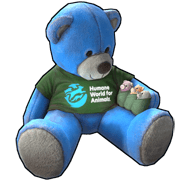
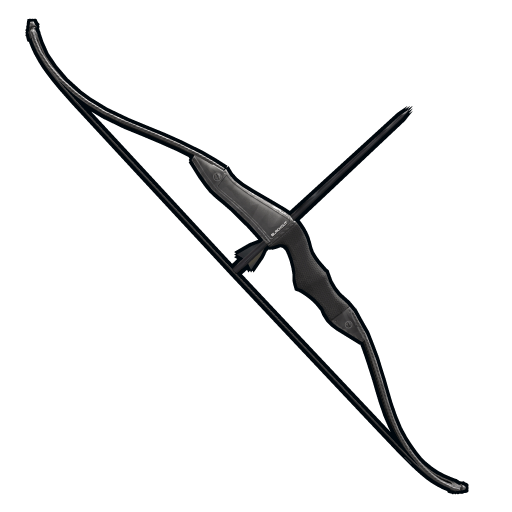
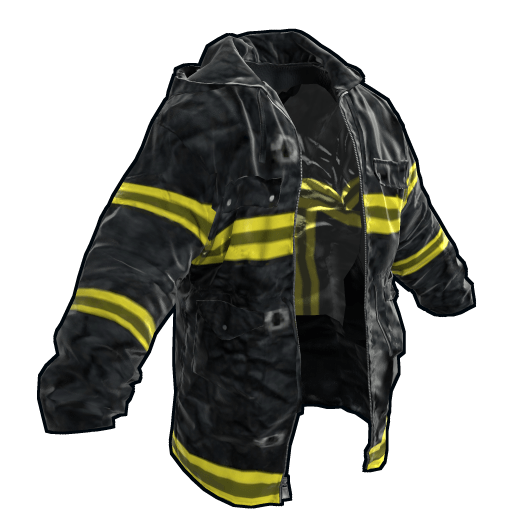
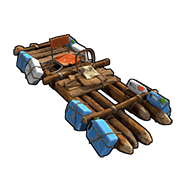
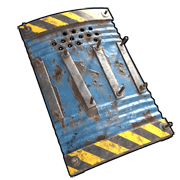
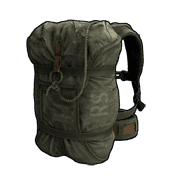

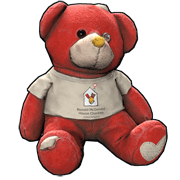

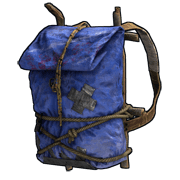

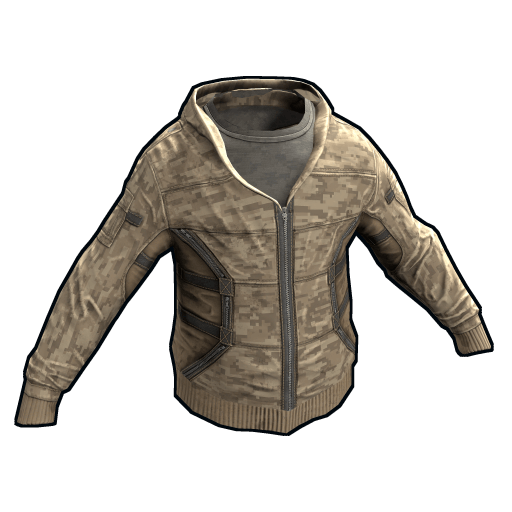
+115 more
Popular Cloth Skins
All skins →| Skin | CS.Deals | DMarket | LIS-SKINS | Skin.Land | Best |
|---|---|---|---|---|---|
| Cloth | $0.10 | $0.12 | $0.14 | $0.15 | $0.10 |
Related guides
The best Rust scrap farming sources ranked: recycling, road barrels, monument crates, diving crates, cargo and oil rig. Plus a fastest-scrap early routine.
What to recycle in Rust for scrap, HQM, and components, what to never feed the recycler, and the always-recycle list every player should memorize.