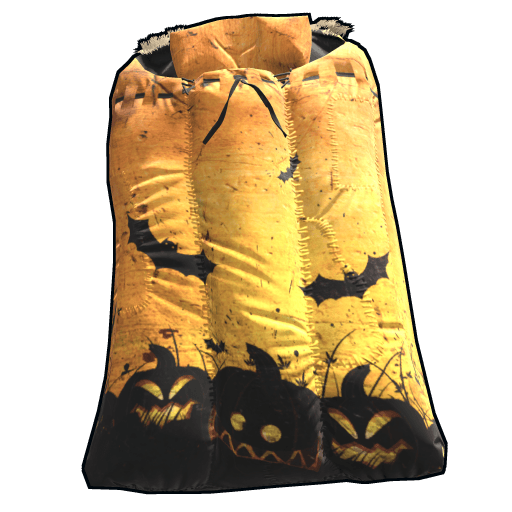
Sleeping Bag
A respawn point crafted from cloth — the primary way to set your spawn.
Crafting one takes 30× Cloth, straight from your inventory — no workbench needed. A recycler breaks one down into Cloth. 85 skins exist for it — see every Sleeping Bag skin with live prices, topped by Horror Bag.
How to Make a Sleeping Bag in Rust
30× Cloth → Sleeping Bag (Hand craft, 30s)— default blueprint, no research
Thirty Cloth, no workbench, no blueprint — it's available from the second you spawn and takes 15 seconds to craft. There's no cheaper or faster way to make one; that's the only recipe.
Getting the cloth
Thirty is a meaningful chunk this early in a wipe, but hemp plants and any animal you skin both drop it, so a short farming loop right after spawning is usually enough on its own. Don't wait to gather cloth for other things first — a bag is worth prioritizing before you wander far from where you landed.
Why place one immediately
A sleeping bag sets your respawn point, and without one you're stuck respawning at a random beach spawn every time you die — which can be minutes of running back to your base. Placing one near where you're building, even before you have walls up, saves a lot of dead time in the first hour.
Placement and decay
Bags placed in the open decay and can be destroyed by other players; one inside a Tool Cupboard's building privilege zone is protected the same as your base. If you're roaming or setting up a second base, an out-of-privilege bag is still useful as a forward respawn point — just expect it not to last if someone finds it.
Crafting
 Cloth Cloth | ×30 |
Blueprint
Default blueprint — known from the start, no research required.
Recycling
Repair
| Cloth | ×6 |
Cost shown is the maximum, to repair from near-broken to full condition.
Decay & Upkeep
Popular Sleeping Bag Skins
All skins →85 skins are listed, from $0.56 to $817.56, with a median of $1.13. Each price is the cheapest current listing, checked 2026-10-07.
| Skin | CS.Deals | LIS-SKINS | Skin.Land | Steam Market | Best |
|---|---|---|---|---|---|
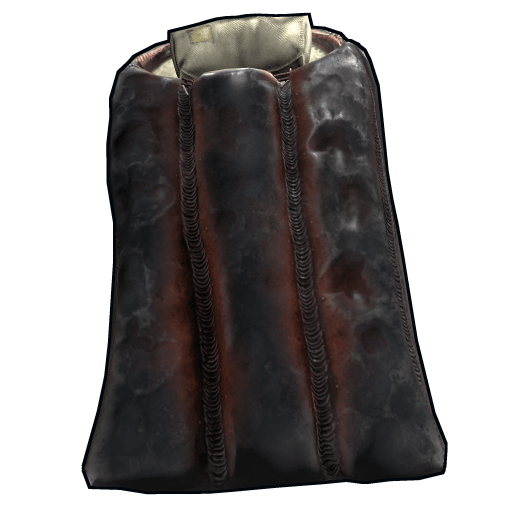 Welded Metal Sleeping Bag Welded Metal Sleeping Bag | $0.58 | $0.56 | $0.57 | $0.85 | $0.56 |
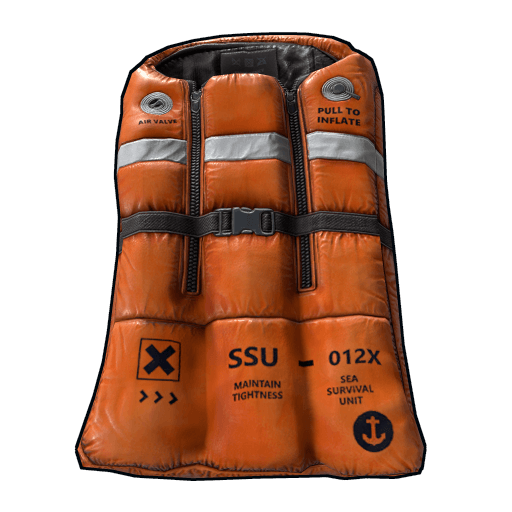 Sea Survival Bag Sea Survival Bag | $0.60 | $0.62 | $0.63 | $0.89 | $0.60 |
 Sweet Gift Sleeping Bag Sweet Gift Sleeping Bag | $0.61 | $0.63 | $0.64 | $0.94 | $0.60 |
 Panamanian Sleeping Bag Panamanian Sleeping Bag | $0.63 | $0.61 | $0.62 | $0.92 | $0.61 |
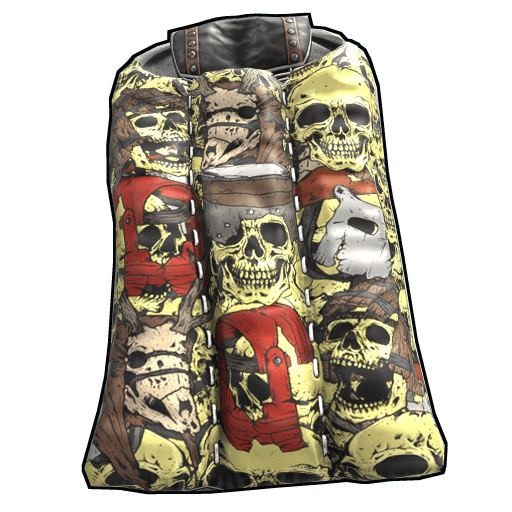 Dead Souls Sleeping Bag Dead Souls Sleeping Bag | $0.62 | $0.66 | $0.67 | $0.93 | $0.62 |
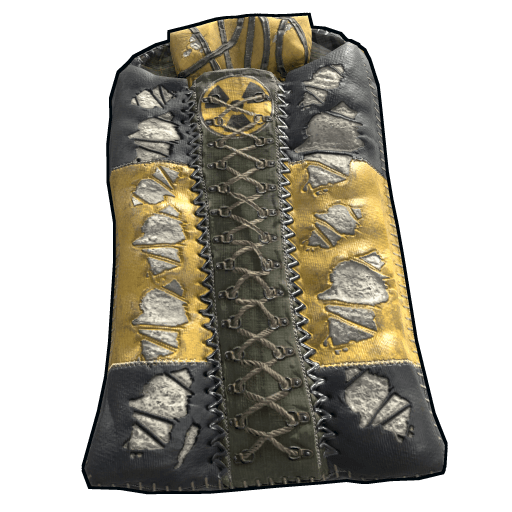 Nuke Bag Nuke Bag | $0.82 | $0.62 | $0.63 | $0.92 | $0.62 |
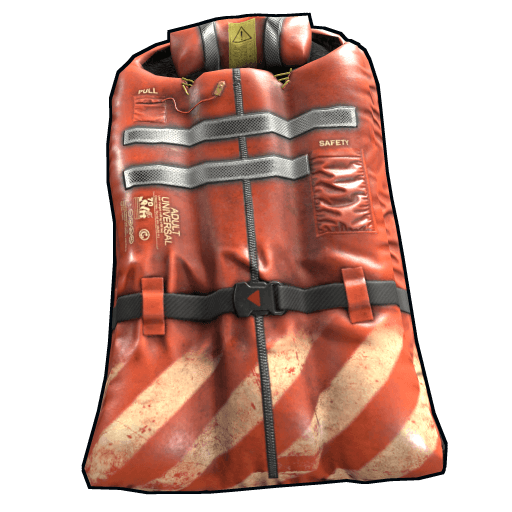 Lifejacket Sleeping Bag Lifejacket Sleeping Bag | $0.62 | $0.63 | $0.64 | $0.89 | $0.62 |
 Spring Sleeping Bag Spring Sleeping Bag | $0.67 | $0.62 | $0.63 | $0.92 | $0.62 |
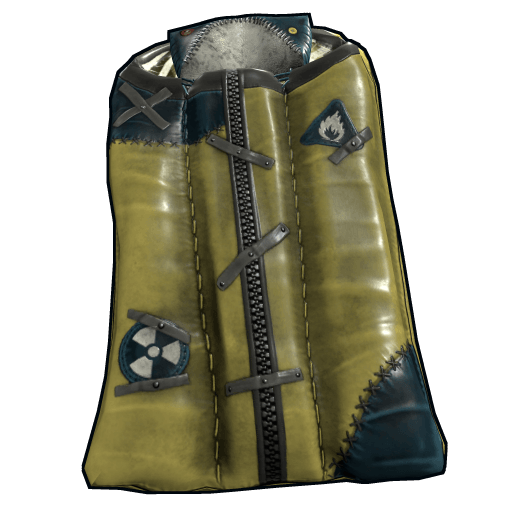 Salvaged Hazmat Bag Salvaged Hazmat Bag | $0.73 | $0.63 | $0.64 | $0.82 | $0.63 |
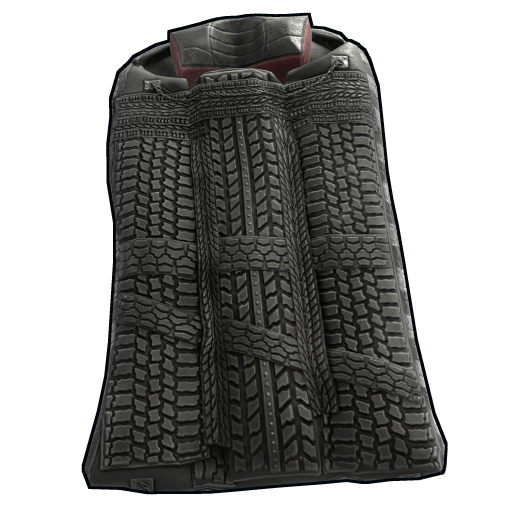 Pitstop Bag Pitstop Bag | $0.74 | $0.66 | $0.67 | $0.96 | $0.66 |
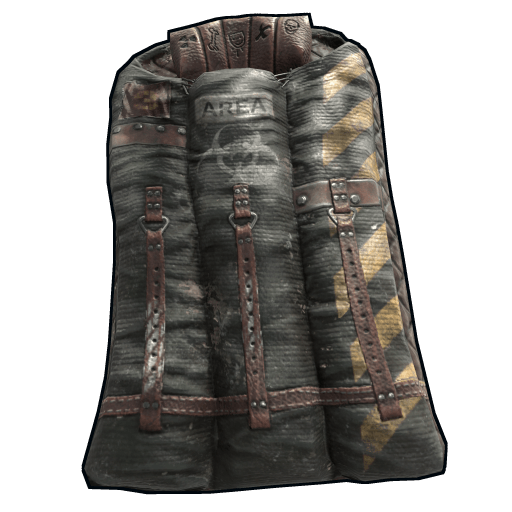 Survivor Bag Survivor Bag | $0.66 | $0.86 | $0.87 | $1.06 | $0.66 |
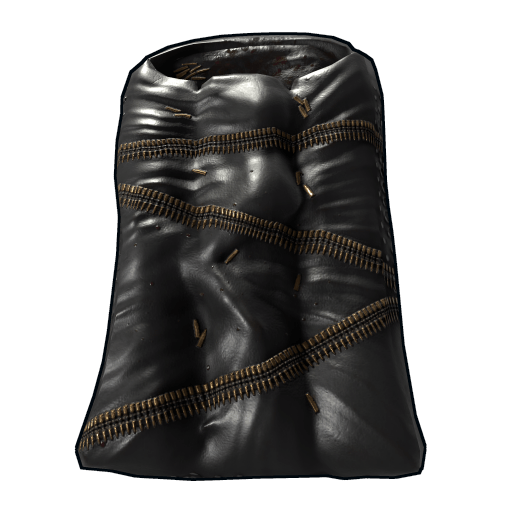 Funerary Sleeping Bag Funerary Sleeping Bag | $0.68 | $0.67 | $0.67 | $1.01 | $0.67 |
 Easter Sleeping Bag Easter Sleeping Bag | $0.67 | $0.93 | $0.94 | $0.89 | $0.67 |
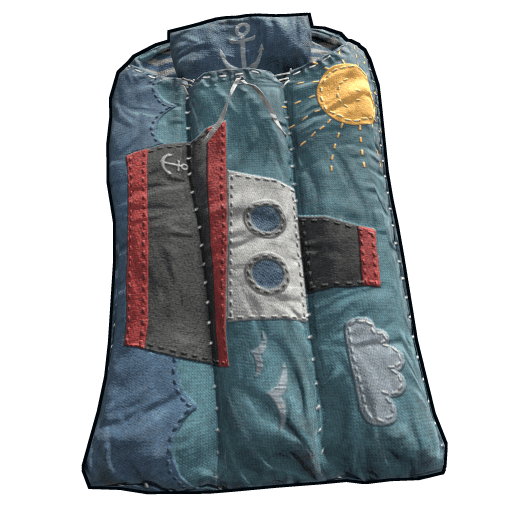 Shippy Sleeping Bag Shippy Sleeping Bag | $0.79 | $0.67 | $0.68 | $0.89 | $0.67 |
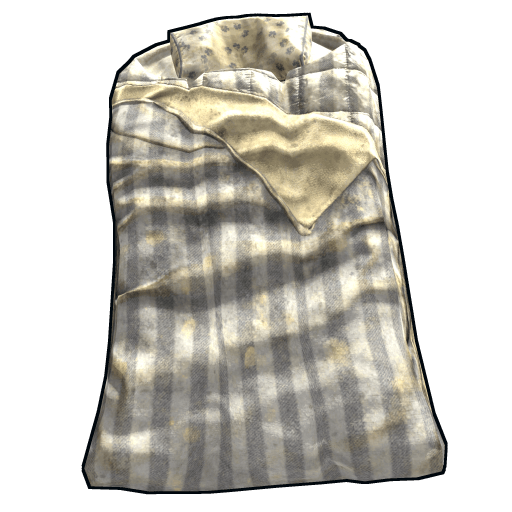 Hobo Sleeping Bag Hobo Sleeping Bag | $0.72 | $0.72 | $0.73 | $1.04 | $0.72 |
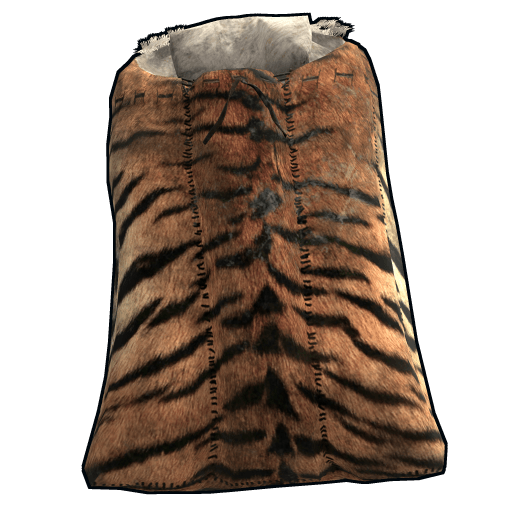 Tiger Crown Sleeping Bag Tiger Crown Sleeping Bag | $0.85 | $0.73 | $0.74 | $1.03 | $0.73 |
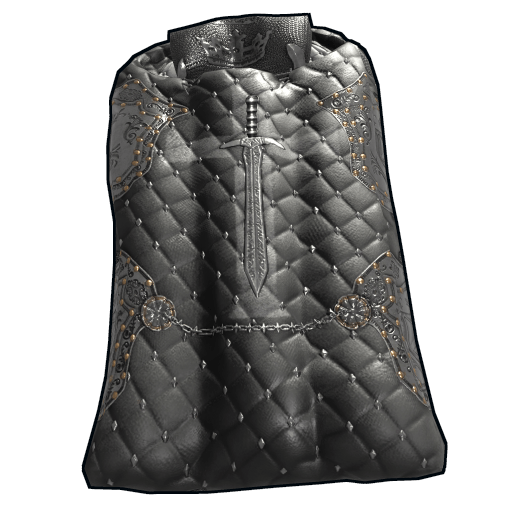 Knight Sleeping Bag Knight Sleeping Bag | $0.74 | $0.75 | $0.75 | $1.11 | $0.74 |
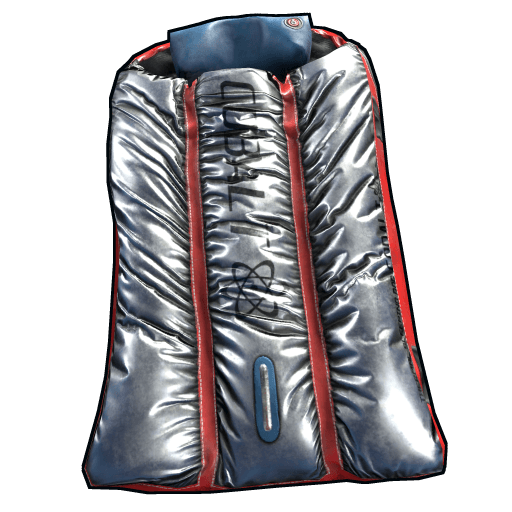 Thermal Sleeping Bag Thermal Sleeping Bag | $0.80 | $0.74 | $0.75 | $1.06 | $0.74 |
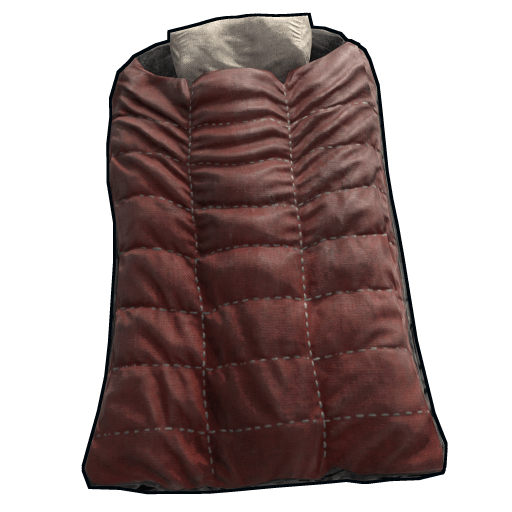 Red Survival Sleeping Bag Red Survival Sleeping Bag | $0.99 | $0.74 | $0.75 | $1.05 | $0.74 |
| Training Bag | $0.74 | — | — | — | $0.74 |
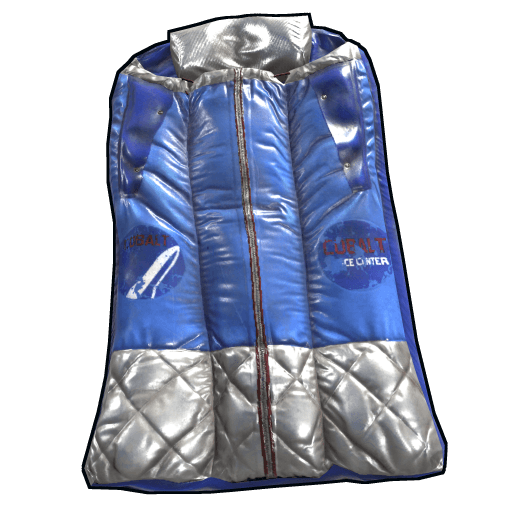 Cobalt Survival Bag Cobalt Survival Bag | $0.76 | $0.84 | $0.85 | $0.94 | $0.76 |
 Sleepover Bag Sleepover Bag | $0.81 | $1.31 | $1.32 | $1.28 | $0.81 |
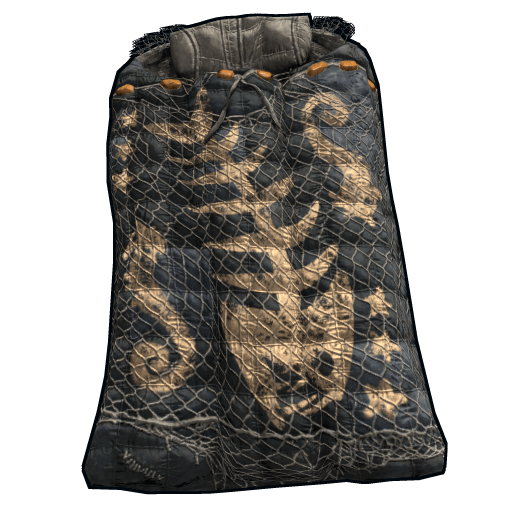 Fisher Sleeping Bag Fisher Sleeping Bag | $7.00 | $0.81 | $0.82 | $1.05 | $0.81 |
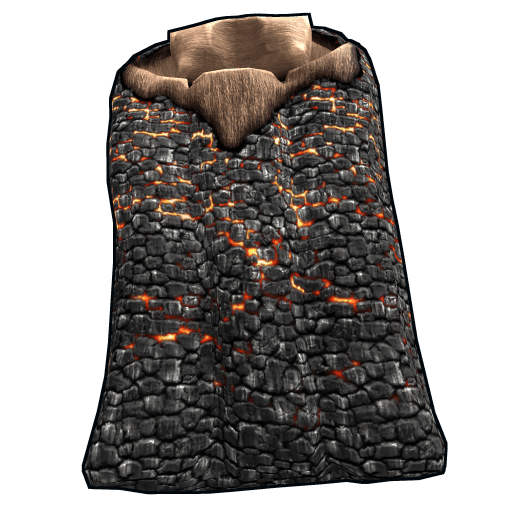 Smouldering Sleeping Bag Smouldering Sleeping Bag | $0.85 | $0.82 | $0.82 | $1.26 | $0.82 |
 Cannibal Survival Bag Cannibal Survival Bag | $0.93 | $0.90 | $0.91 | $1.34 | $0.83 |
 Peacemaker Sleeping Bag Peacemaker Sleeping Bag | $0.84 | $0.90 | $0.91 | $1.17 | $0.84 |
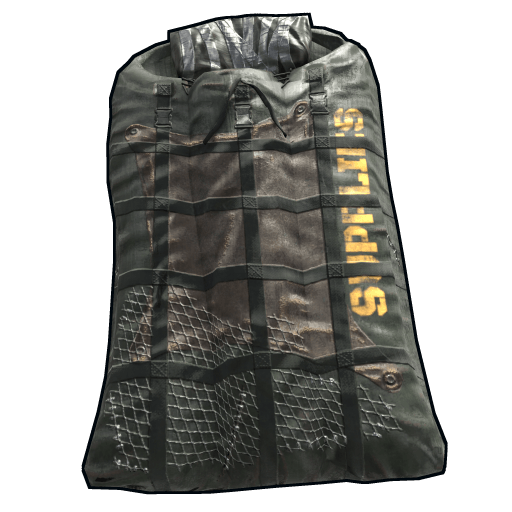 Supply Drop Sleeping Bag Supply Drop Sleeping Bag | $0.86 | $1.52 | $1.53 | $1.24 | $0.84 |
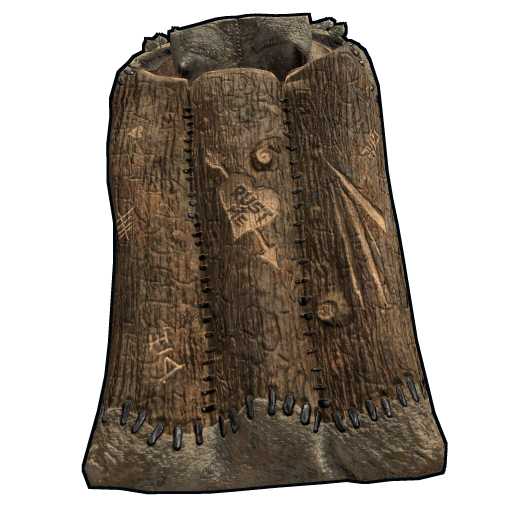 Wood Sleeping Bag Wood Sleeping Bag | $0.88 | $1.24 | $1.25 | $1.15 | $0.84 |
 Santa's Bag Santa's Bag | $0.92 | $0.88 | $0.89 | $1.33 | $0.86 |
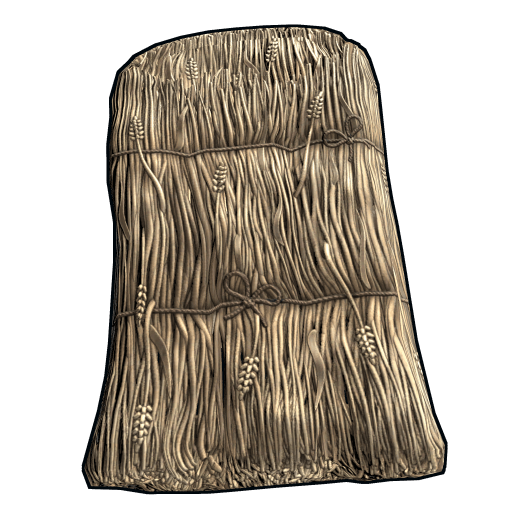 Hay Sleeping Bag Hay Sleeping Bag | $0.95 | $0.91 | $0.91 | $1.39 | $0.91 |
Related guides
New to Rust? Here's exactly what to do on your first wipe — gathering, your first base, tools, scrap and staying alive. Real numbers, no fluff.
A wipe-day-to-endgame Rust progression roadmap: scrap first, WB1 to WB3, first gun to AK, then C4 raids. Do it in this order.