Rust Armor Guide: Best Kits, Protection Values & What to Wear When
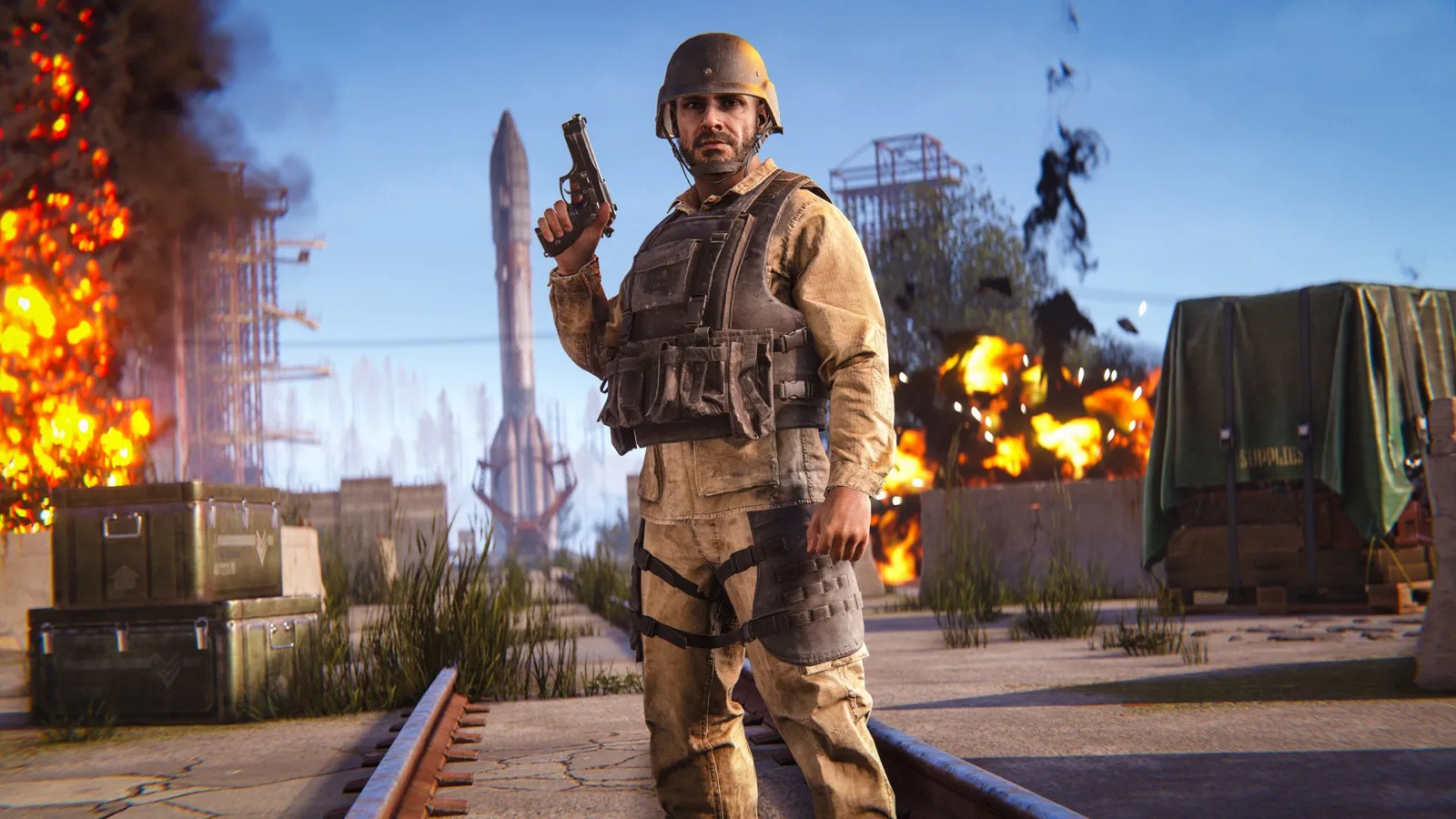
Full metal. That's the short answer to this whole Rust armor guide: a Metal Facemask and Metal Chest Plate worn over a hoodie and pants is the endgame kit, and everything before it — burlap, wood armor, road sign — is a rung on the ladder toward it. The interesting part is the ladder itself: each tier is a real jump in survivability, each one is cheap for the stage of wipe you unlock it, and knowing which rung you should be on right now is worth more than memorizing any single number.
Below: how armor actually works, the real protection values for every piece, the classic kit progression, what "full metal kit" means and costs, the helmet question (bucket vs coffee can vs facemask), the heavy plate set, armor inserts, where the hazmat suit fits, and cold. Every craft cost and every protection percentage here comes straight from the game's own files — datamined from our own Rust server install and verified 2026-08-04 — the same numbers on our item pages.
How Armor Works in Rust
You have five clothing slots that matter for protection — head, chest, legs, hands, feet — and armor pieces layer over base clothing. A hoodie and pants go on first, then the armor slots on top of them, so a "kit" is always two layers: cloth underneath for warmth and baseline coverage, armor on top for the real damage reduction.
Damage types matter too. A piece protects differently against bullets (projectile), melee, radiation, and cold, and the tiers trade these off. Wood armor is a fine answer to a spear and a poor answer to a rifle; a hazmat shrugs off radiation but is soft against bullets. There's no single "best" — there's a best kit for what you're doing, which is the actual subject of this guide.
One honest note: our damage calculator and damage chart show raw body damage without armor applied, because the reduction depends on where you're hit and exactly what the target is wearing. Use them for weapon-vs-weapon comparisons, and use the per-piece protection table below — datamined straight from the game files — for what to put on.
The Kit Progression: Nudity to Full Metal
This is the classic ladder almost every wipe follows. Each tier is a real step up against the threats of its stage, and each becomes affordable at roughly the workbench level that unlocks it.
| Tier | Pieces | Cost per piece | Workbench |
|---|---|---|---|
| Burlap | Shirt / Trousers / Headwrap / Gloves / Shoes | 20 / 20 / 10 / 5 / 10 Cloth | None |
| Wood armor | Chestplate / Pants / Helmet / Gloves | 250 Wood + 20 Cloth / 150 Wood + 15 Cloth / 150 Wood + 15 Cloth / 100 Wood + 15 Cloth | None |
| Road sign | Jacket / Kilt / Gloves | 20 Leather + 2 Road Signs + 2 Sewing Kits / 10 Leather + 1 Road Sign + 2 Sewing Kits / 20 Leather + 1 Road Sign + 2 Sewing Kits | Level 2 |
| Full metal | Facemask / Chest Plate | 50 Leather + 15 HQM + 6 Sewing Kits / 50 Leather + 18 HQM + 8 Sewing Kits | Level 3 |
Burlap is hour-one gear: pure cloth, no workbench, and it exists mostly so you aren't naked. It adds almost nothing against weapons — its job is coverage and a little warmth until you have literally anything better.
Wood armor is the first real armor and it's free to make anywhere — no workbench, just wood and cloth. It genuinely blunts melee hits — the chestplate stops 40% of slash and stab damage — which is exactly what the first hours of a wipe throw at you. What it does not stop is arrows or bullets: 10% against both, so against a bow it's barely better than burlap, and the moment bullets are flying on your server, you've outgrown it.
Bone armor runs alongside wood at the same stage and is often the better pick after your first few kills. The Bone Helmet (15 Cloth + 30 Bone Fragments) and Bone Armor chestpiece (15 Cloth + 70 Bone Fragments) are both default blueprints crafted from the bones your hunting already produces, and they hold up well against arrows and spears — 25% against arrows and bullets with 40% against melee, which is why bone beats wood the moment bows are involved. The chestpiece covers the torso only, so pair it with wood pants for the legs. The primitive sleeper hit is the Wolf Headdress — 10 Cloth plus a Wolf Skull, default blueprint — which blocks 60% of melee damage and 30% of bullets to the head, nearly coffee-can-grade protection in the spear-and-bow phase of a wipe. Kill one wolf and your head is sorted until guns show up.
Road sign is the workhorse mid-tier: a Road Sign Jacket and Kilt over hoodie and pants, usually with a Coffee Can Helmet. Road Signs are a looted component (you can also craft one at Workbench Level 3 for 2 High Quality Metal + 20 Scrap, but recycling and barrels feed you plenty). This kit is what most of the server fights in for most of the wipe, and a road-sign player is a real threat to anyone.
Full metal is the top of the ladder, covered next.
The under-layer for everything from road sign up is the same: a Hoodie (40 Cloth + 1 Sewing Kit, Workbench Level 2) and Pants (40 Cloth + 1 Sewing Kit, Workbench Level 1). Boots and gloves fill the last slots — Road Sign Gloves are the craftable pick, and Tactical Gloves are a monument-loot alternative you'll see on geared players.
The Real Protection Numbers, Piece by Piece
These are the actual protection values from Rust's game files (version 2631.286.1, verified 2026-08-04) — the percentage of damage each piece blocks on the body parts it covers. "Melee" is the slash value; blunt and stab are the same or within a few points. Negative cold means the piece makes you colder.
| Piece | Bullet | Melee | Explosion | Cold |
|---|---|---|---|---|
| Heavy Plate Helmet | 90% | 80% | 100% | −100% |
| Heavy Plate Jacket / Pants | 75% | 70% | 100% | −100% |
| Metal Facemask | 50% | 70% | 50% | −25% |
| Coffee Can Helmet | 35% | 50% | 50% | — |
| Wolf Headdress | 30% | 60% | 80% | +35% |
| Hazmat Suit (whole body) | 30% | 30% | 30% | +50% |
| Metal Chest Plate | 25% | 20% | — | −50% |
| Riot Helmet | 25% | 80% | 50% | +35% |
| Bone Helmet / Bone Armor | 25% | 40% | 40% | — |
| Bucket Helmet | 20% | 50% | 50% | +35% |
| Road Sign Jacket / Kilt | 20% | 25% | — | −50% |
| Hoodie | 20% | 20% | — | +50% |
| Pants | 15% | 20% | — | +50% |
| Wood Armor Helmet | 15% | 25% | — | +40% |
| Wood Chestplate / Pants | 10% | 40% | 30% | — |
| Burlap pieces | 10% | 10% | — | +40% |
Three things the table proves that folklore gets wrong. The Riot Helmet is better than the bucket at everything — more bullet protection and a massive 80% against melee — so if you have both, wear the riot. Bone gear outguns wood against bullets (25% vs 10%) while matching it in melee, making it the stronger primitive chest choice once you've hunted. And layering is the whole game: a road sign jacket's 20% over a hoodie's 20% is why the two-layer kit works, while the same jacket over bare skin is half a kit.
What "Full Metal Kit" Actually Means
When someone says they're running "full metal," they mean two specific pieces:
- chevron_rightMetal Facemask — 50 Leather + 15 High Quality Metal + 6 Sewing Kits at Workbench Level 3. 120 scrap to research.
- chevron_rightMetal Chest Plate — 50 Leather + 18 High Quality Metal + 8 Sewing Kits at Workbench Level 3. 120 scrap to research.
Both worn over a hoodie and pants, usually with a Road Sign Kilt on the legs and gloves and boots filling out the kit. That's the loadout every geared roamer on your server is wearing, and it's what you should picture whenever you hear "kitted player."
The facemask is the headline piece. Rust's combat math punishes headshots, and the facemask blocks 50% of bullet damage and 70% of melee damage to the head — the numbers that stop a routine headshot from being the end of the fight. It's the reason for the game's oldest running joke: the eternal clip of a full-metal chad eating a primitive headshot at point-blank and turning around unbothered. It is not invincibility — high-damage weapons to the head still hurt badly, and nothing in the game makes you safe against an AK to the face — but it converts "instantly deleted" into "still in the fight," and that's the whole value proposition. If you want to see what the guns on the other end are doing, the weapons roundup and damage chart cover it.
The chest plate does the same job for center mass, which is where most sprayed bullets actually land. Facemask first if you can only afford one; chest plate close behind.
The Helmet Question: Bucket vs Coffee Can vs Facemask
Head protection has its own mini-ladder, and it's where the best budget buys in the game live.
Bucket Helmet — 35 Metal Fragments at Workbench Level 1, 30 scrap to research. 20% bullet, 50% melee. This is quietly one of the best value items in Rust: real head protection for the price of a door hinge, available in the first hours of a wipe. Every early roamer should be wearing one. It leaves your face exposed compared to the facemask and it won't carry you into late-game fights, but for the cost there is nothing close.
Riot Helmet — 10 Cloth + 50 Metal Fragments at Workbench Level 1. 25% bullet, 80% melee. The game files hold a surprise here: the riot helmet beats the bucket at everything — more bullet protection and the best melee number of any craftable helmet, at the same workbench tier. The bucket's only edge is a marginally cheaper recipe. If you have both blueprints, wear the riot; the folklore that the bucket is the early-game king is simply out of date.
Coffee Can Helmet — 15 Cloth + 60 Metal Fragments + 1 Sewing Kit at Workbench Level 2, 30 scrap to research. 35% bullet, 50% melee. The mid-game standard and the natural pair for a road sign kit — the bullet number is the jump that matters once guns rule the server, and it's what you'll wear for the longest stretch of a typical wipe.
Metal Facemask — the endgame answer, covered above. 50% bullet, 70% melee. When you can afford it, nothing else competes for a fight — though the heavy plate helmet's 90% bullet protection tops it for stationary defense.
Heavy Plate: The Set Everyone Forgets Exists
There's one armor line that sits outside the ladder entirely: the Heavy Plate set — Helmet (1 Sheet Metal + 4 HQM), Jacket (2 Sheet Metal + 4 HQM), and Pants (1 Sheet Metal + 4 HQM), all Workbench Level 2 crafts. Per the game's own description it "offers superior protection at the cost of aiming down sights and reduced movement speed," and both halves of that sentence are the point.
Worn together it's the tankiest thing you can put on — the game files give the helmet 90% bullet protection and the jacket and pants 75%, with all three blocking explosion damage outright — and it's dramatically cheaper than a full metal kit: no leather, no sewing kits, a fraction of the HQM, and a tier earlier on the workbench. The catches are real, though. You move like a vending machine and can't aim down sights, which makes it nearly useless for roaming and dueling, and every piece carries a −100% cold value, so a heavy kit in the snow is actively killing you. Its niche is stationary defense: holding a doorway during an online raid, manning a compound wall, or peeking a window where mobility doesn't matter. Every group should keep a couple of heavy kits in the defense boxes; almost nobody should wear one outside.
Armor Inserts: Tuning a Kit After You Craft It
Newer to the system are armor inserts — small crafted plates that slot into eligible crafted clothing and armor to add protection the base piece doesn't have:
- chevron_rightWooden Armor Insert — 150 Wood at Workbench Level 1. Adds extra bullet and melee protection; the budget option for beefing up early kits.
- chevron_rightAsbestos Armor Insert — 50 Metal Fragments at Workbench Level 2. Adds heat protection, useful for fire-heavy fights and hot biomes.
- chevron_rightLead Armor Insert — 4 High Quality Metal at Workbench Level 2. Adds radiation protection, letting a real fighting kit eat rads that would otherwise force you into a hazmat.
Each researches for 60 scrap. The lead insert is the one that changes behavior at monuments: slotted into a normal kit, it narrows the old hard choice between "protected from players" and "protected from radiation." Inserts only fit crafted gear with insert slots, so check the piece before you plan a build around it.
The Hazmat Suit: The All-Rounder Trade-Off
The Hazmat Suit — 5 Tarp + 2 Sewing Kits + 8 High Quality Metal at Workbench Level 2, 60 scrap to research — is a different animal: one item that fills every clothing slot. The game files give it 50% radiation protection alongside 30% bullet, 30% melee, 50% cold, and 30% explosion resistance across the whole body. That radiation number is the reason it exists: it's the key that opens the monument ladder, and the radiation guide covers that whole system.
As armor, the trade-off is simple: 30% projectile is meaningfully worse than a road sign kit, let alone full metal. So the rule is: hazmat for farming monuments and eating rads, real armor for fighting players. Plenty of players die relearning this — a hazmat feels like armor because it covers your whole body, but in a gunfight you're wearing a tarp.
Cold: The Protection Stat Everyone Forgets
Armor tiers are bullet math, but cold is what actually kills fresh spawns at night and anyone who wanders into snow. The game files make the trade explicit: a hoodie and pants each give +50% cold protection, while the metal pieces go the other way — −25% on the facemask, −50% on the chest plate and road sign gear, and a brutal −100% per heavy plate piece. Metal armor literally makes you colder, and the under-layer is what cancels it out. The hazmat's +50% cold is why it doubles as budget snow-biome gear. If you're heading into the snow deliberately, dress for the biome first and the fight second — frostbite doesn't care how good your facemask is.
What to Wear When: The Short Version
- chevron_rightHour one: burlap everything, bucket helmet the moment you have 35 metal fragments.
- chevron_rightFirst day: wood or bone armor for melee-and-bows fighting, bucket or riot helmet on top — or a wolf headdress if a skull drops.
- chevron_rightMid wipe (Workbench 2): road sign jacket + kilt over hoodie and pants, coffee can helmet. This is your home for most of the wipe.
- chevron_rightGeared (Workbench 3): metal facemask + metal chest plate over hoodie and pants, road sign kilt, gloves and boots.
- chevron_rightDefending the base: heavy plate set from the defense box — maximum protection, and the mobility cost doesn't matter behind your own walls.
- chevron_rightMonument farming, any stage: hazmat suit — or, once you can afford it, a real kit with a lead insert so you're not soft against players while eating rads.
Where each tier lands on the progression curve matches the workbench ladder almost exactly, which is no accident — armor is progression made visible.
Frequently Asked Questions
What is the best armor in Rust?expand_more
For roaming and PvP, a full metal kit: Metal Facemask (50% bullet, 70% melee on the head) and Metal Chest Plate (25% bullet on the torso) worn over a hoodie and pants, with a Road Sign Kilt on the legs. Both metal pieces are Workbench Level 3 crafts costing High Quality Metal, leather, and sewing kits. The facemask matters most — it's the piece that stops routine headshots from instantly ending fights. For pure protection while standing still, the Heavy Plate set's 75–90% bullet values are higher, at the cost of movement and aiming.
What is a full metal kit in Rust?expand_more
"Full metal" means the two Workbench Level 3 metal armor pieces — the Metal Facemask (50 Leather + 15 HQM + 6 Sewing Kits) and Metal Chest Plate (50 Leather + 18 HQM + 8 Sewing Kits) — worn over base clothing like a hoodie and pants, usually with a road sign kilt and gloves completing the kit. It's the standard endgame PvP loadout.
Is the bucket helmet good in Rust?expand_more
Yes for the price — 35 Metal Fragments at Workbench Level 1 buys 20% bullet and 50% melee protection in the first hours of a wipe. But the game data says the Riot Helmet quietly beats it at the same tier: 25% bullet and 80% melee for 10 Cloth + 50 Metal Fragments. Wear whichever you unlock first, prefer the riot if you have both, and move to the coffee can (35% bullet) at Workbench Level 2.
Does a hazmat suit count as armor?expand_more
Sort of. It fills every clothing slot and the game files give it 50% radiation, 30% bullet, 30% melee, 50% cold, and 30% explosion protection — so it protects against everything, but its bullet protection is well below a road sign or metal kit. Treat it as monument-farming gear that keeps you alive against radiation and weather, not as fighting armor.
What armor should I wear at the start of a wipe?expand_more
Burlap clothes immediately (they're a few cloth each and need no workbench), a Bucket Helmet as soon as you have 35 metal fragments, and wood armor — a 250-wood chestplate and 150-wood pants — once fights start happening. Bone armor is the alternative once you've hunted a few animals, and a Wolf Headdress is the strongest primitive headpiece if you can take a wolf. That combination carries you until Workbench Level 2 unlocks the road sign tier.
What is the best tier 2 armor set in Rust?expand_more
For roaming, the road sign kit: Road Sign Jacket and Kilt over a hoodie and pants, with a Coffee Can Helmet — all Workbench Level 2 or earlier. For pure protection at the same bench, the Heavy Plate set is actually stronger, but the movement and aim-down-sights penalties confine it to defending fixed positions. Roam in road sign, defend in heavy plate.
Is heavy plate armor good in Rust?expand_more
For base defense, yes — at 90% bullet protection on the helmet and 75% on the jacket and pants it's the tankiest set in the game, and cheap for what it does (each piece is sheet metal plus 4 HQM at Workbench Level 2). For everything else, no: the in-game description's "cost of aiming down sights and reduced movement speed" means you lose fights you can't stand still for, and its −100% cold value makes it lethal in the snow. Keep heavy kits boxed for raid defense and wear metal for roaming. Armor in Rust is a ladder, and losing a kit just means climbing back a rung — every cost in this guide is small for the stage of wipe where you pay it. Keep a spare kit in a box for the stage you're at, put the facemask at the top of your Workbench 3 shopping list, and stop fighting in a hazmat. That alone puts you ahead of half the server.
More Guides
50 Rust tips that hold up under pressure — spawn survival, scrap farming, base building, monument runs, PvP habits, and endgame raiding, with the tools to back each one up.
Yes, you can play Rust solo. Here's how to build hidden, avoid zergs, raid on a budget, and pick servers that don't crush you.
How to get cloth in Rust: hemp picking and farming, animal harvesting, and recycling rope, sewing kits and tarp — with real yields and a fastest-route verdict.